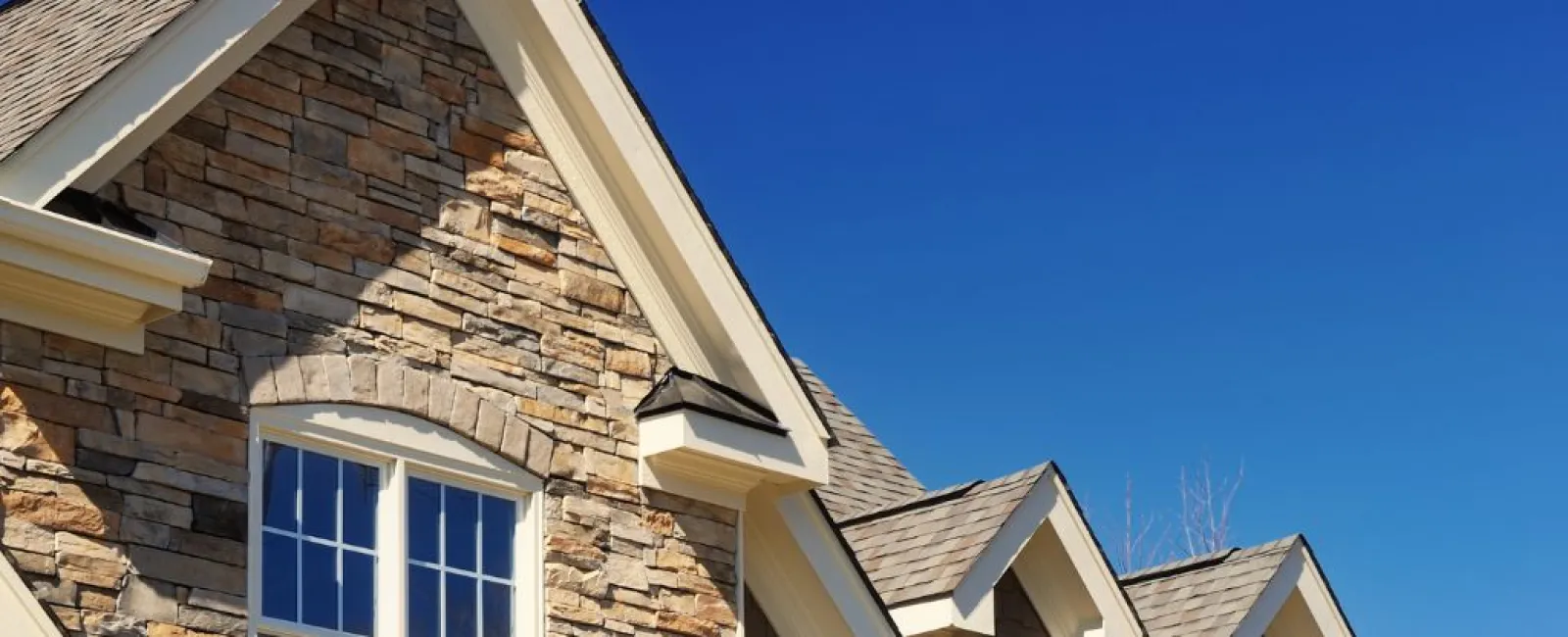
Your siding is the first line of defense between your home and everything Georgia's climate throws at it — summer thunderstorms, oppressive humidity, UV exposure, and temperature swings that stress any building material. Most of the time, it does its job quietly. But when it starts to fail, it usually tells you — if you know what to look for.
The warning signs aren't always obvious. Some homeowners notice cracked or warped panels and brush them off as cosmetic. Others miss early rot entirely, only to discover structural damage when the problem has spread well beyond the original boards. After more than 30 years of siding installation and exterior remodeling across North Metro Atlanta, our team at Forsyth Exteriors has seen what happens when damage is caught early — and what happens when it isn't. Here's what to look for, and what to do when you find it.
1. Warping, Buckling, or Bulging Panels
Siding panels that have pulled away from the wall, buckled outward, or developed a wavy appearance are no longer doing their job. Warping is typically caused by prolonged moisture exposure, improper installation, or the expansion and contraction that comes with Georgia's heat cycles. Once a panel loses its flat profile, it creates gaps where water can get behind the siding — and that's when the real damage starts.
Run your hand along the panel edges and check for movement. If boards flex, feel soft, or show visible separation from the wall, that section needs attention.
2. Cracks, Gaps, or Holes
Visible cracks, missing sections, or widening gaps at seams and corners are all entry points for moisture and pests. Even a hairline crack in vinyl can allow water to seep behind the panel during heavy rain. Here in North Atlanta, where we average around 50 inches of rain per year and summer storms can be intense, any breach in your siding envelope is a serious liability.
Pay closest attention to areas around windows, doors, corners, and utility penetrations — these are the spots most prone to gap formation as materials age and settle.
3. Rot, Soft Spots, or Pest Damage
Georgia's humidity creates conditions where wood rot spreads faster than most homeowners expect. Press the handle of a screwdriver firmly against any suspicious areas of wood siding. If it penetrates easily or the board feels spongy, rot has set in — and it never stays contained. It moves to adjacent boards and eventually reaches the structural sheathing underneath.
Pest damage tells the same story. Woodpecker holes, termite galleries, and carpenter bee entry points all create pathways for moisture. If you've had pest activity, inspect the surrounding siding carefully. Isolated damage to a board or two is often repairable; widespread infestation usually means a full replacement is the smarter long-term call.
4. Paint That Won't Stay Put
If your exterior paint is peeling or bubbling within a few years of a fresh coat, the problem usually isn't the paint — it's what's happening behind it. Moisture migrating through compromised siding causes paint to fail prematurely, regardless of product quality.
5. Mold, Mildew, or Interior Moisture
Mold on an interior wall that backs up to an exterior surface is a clear signal that moisture is getting past the siding. The same goes for water stains on drywall, musty odors in rooms along the perimeter, or dampness that appears consistently after heavy rain.
Exterior mold and algae are worth watching too. Surface growth that returns quickly after cleaning or keeps reappearing in the same location season after season usually points to a moisture intrusion issue — not just a cleaning problem.
6. Higher Energy Bills With No Clear Cause
Siding contributes to your home's thermal envelope. Gaps, cracks, and compromised seams allow conditioned air to escape and outdoor air to infiltrate. If your heating and cooling costs have been climbing without explanation and the system itself checks out, a siding inspection is a reasonable next step.
Older homes with original wood or vinyl that have never been updated are especially susceptible. Replacing deteriorating siding with a moisture-resistant material like James Hardie fiber cement — paired with a weather-resistant barrier — can make a noticeable difference in how well a home holds temperature.
7. Fading, Chalking, or Outdated Appearance
Severe UV fading, a chalky surface texture, or a dated exterior look are real signs that siding has reached the end of its service life. Siding is the largest visual surface on your home's exterior, and what looks like a purely cosmetic problem often reflects underlying material degradation.
Repair or Replace: How to Know
Not every problem requires a full replacement. The right answer depends on how widespread the damage is, how old the siding is, and what material you're working with.
Repair is usually right when:
- Damage is isolated to a handful of boards or panels
- The siding is less than 15 years old and otherwise sound
- There's no evidence of moisture intrusion behind the damaged section
- Matching material is available
Replacement is typically the better path when:
- Damage is widespread across multiple elevations
- The siding is near or past the end of its expected lifecycle
- Rot or moisture has reached the structural sheathing
- Maintenance demands have been increasing with no sign of stabilizing
- The homeowner wants to upgrade to a higher-performance material
Fiber cement is what our team recommends most often for North Atlanta homes. It resists moisture, doesn't rot, is impervious to insects, and holds its finish far better than wood or vinyl under Georgia's UV and humidity conditions. It also genuinely looks like wood — without the maintenance wood requires.
What to Do Next
If you've spotted any of these signs, the next step is a thorough inspection — not a glance from the driveway, but a systematic walk around every elevation, every seam, and every area where siding meets windows, doors, rooflines, or trim. Look for:
- Panels that flex, bulge, or show separation from the wall
- Soft spots, discoloration, or areas that feel damp
- Paint failure or mold that returns to the same spots repeatedly
- Gaps at seams, corners, or penetration points
- Interior moisture in rooms along an exterior wall
If you're unsure what you're seeing or how serious it is, that's exactly what our team is here for. Our siding and exterior painting team will assess your siding, tell you honestly what needs attention, and give you a clear path forward — no pressure, no guesswork.
The Bottom Line
Siding problems rarely stay small in Georgia. Heat, humidity, and rainfall give moisture every opportunity to find and exploit a weakness, and what starts as a warped board or a small soft spot can become structural damage if left alone. The homeowners who deal with the least damage over time are the ones who catch problems early and address them directly.
Ready to find out where your siding stands? Contact Forsyth Exteriors to schedule a free consultation. With more than 30 years serving Cumming, Alpharetta, Roswell, Milton, and the surrounding North Metro Atlanta area, our team will give you a straight answer on what your siding needs.