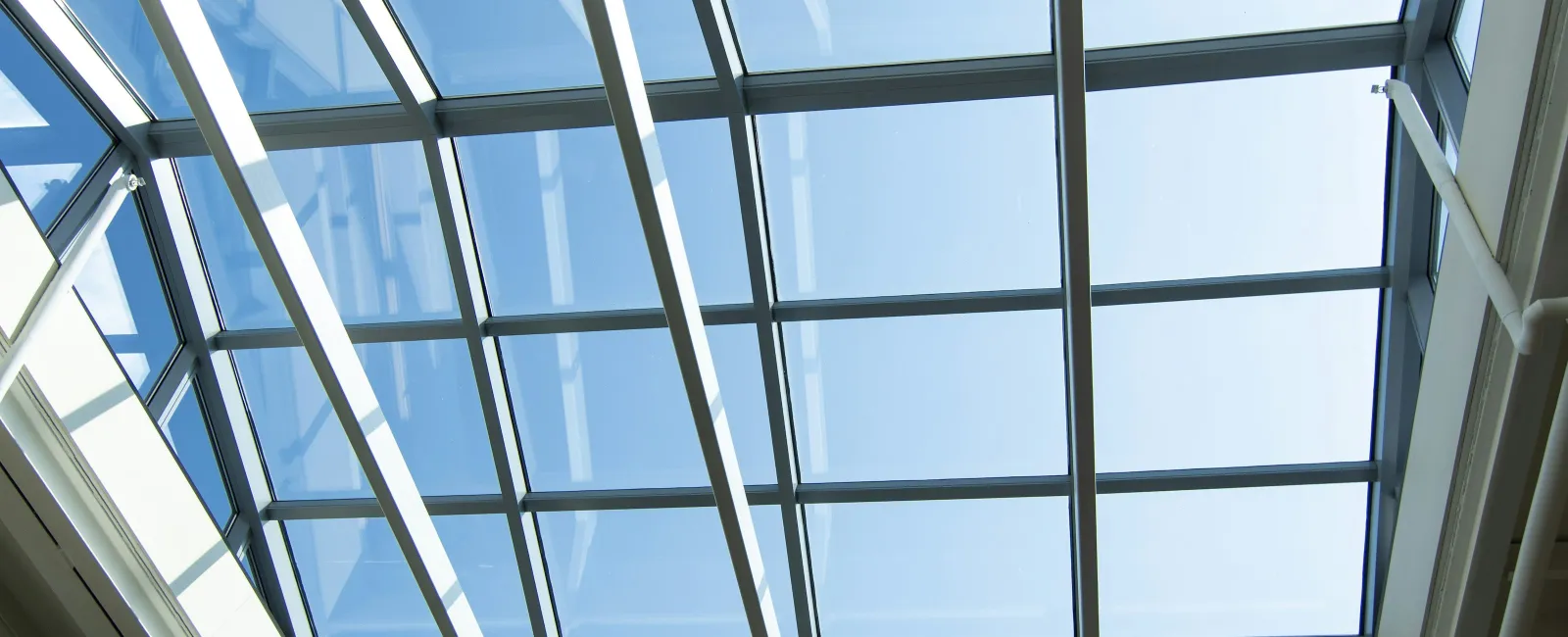
Natural light dramatically affects how we experience our homes. Skylights bring daylight into spaces where traditional windows cannot reach, transforming dark rooms into bright, welcoming areas. For homeowners in the Cumming area considering ways to enhance their living spaces, skylights offer both aesthetic and practical benefits worth exploring.
The Impact of Natural Light on Interior Spaces
Skylights introduce daylight from above, filling rooms with natural illumination that changes throughout the day. This overhead lighting creates a different quality than light entering through vertical windows, providing more even distribution across the space. The effect is particularly dramatic in rooms with limited or no exterior wall access, such as interior bathrooms, hallways, or rooms surrounded by other parts of the house.
Natural light from skylights reduces reliance on artificial lighting during daytime hours. This translates to lower electricity costs, particularly during Georgia's long summer days when daylight extends well into evening. The energy savings accumulate over years, offsetting a portion of the installation investment.
Beyond the practical benefits, natural light affects mood and well-being. Spaces filled with daylight feel more open, energizing, and connected to the outdoors. Homeowners consistently report that skylights make rooms feel larger and more pleasant to occupy.
Ideal Locations for Skylight Installation
Certain spaces benefit most dramatically from skylight installation. Kitchens often lack adequate natural light, especially in homes where upper cabinets block window light or where the room sits away from exterior walls. A skylight over a kitchen island or main work area provides excellent task lighting for food preparation while creating an attractive focal point.
Bathrooms, particularly master bathrooms without exterior windows, transform with skylight addition. The natural light creates a spa-like atmosphere while providing ventilation options that help manage humidity. Privacy concerns that limit traditional window placement don't apply to skylights, making them ideal for bathroom applications.
Hallways and stairwells traditionally rely entirely on artificial lighting. These transitional spaces become architectural features when skylights illuminate them naturally. The effect is particularly striking in two-story foyers or stairways where a large skylight creates dramatic light effects.

Home offices and workspaces benefit significantly from natural light. Studies show that natural lighting improves focus, reduces eye strain, and enhances productivity. For the growing number of people working from home, skylights create more pleasant and functional workspaces.
Fixed vs. Ventilating Skylights
Skylights come in two primary types: fixed units that provide light only, and ventilating skylights that open to provide both light and airflow. Your choice depends on the room's needs and your priorities.
Fixed skylights cost less and provide excellent light transmission without the complexity of opening mechanisms. They work well in climate-controlled spaces where ventilation isn't needed or in locations where opening hardware would be difficult to reach. The simpler design often means fewer potential points of failure and easier maintenance over time.
Ventilating skylights open to allow hot air to escape, creating natural airflow that reduces cooling costs and improves comfort. In Georgia's climate, where summer heat builds up in attic spaces and upper floors, ventilating skylights help exhaust warm air. Many models include rain sensors that automatically close the skylight when precipitation begins, providing convenience and protection.
The ability to ventilate becomes particularly valuable in bathrooms and kitchens where moisture and odors need removal. Opening a skylight creates a natural draft that quickly clears steam and cooking smells without running exhaust fans continuously.
Glazing Options and Energy Efficiency
Modern skylights feature advanced glazing that manages heat and light transmission. In Georgia, where summer heat is a primary concern, selecting appropriate glazing protects your comfort and energy efficiency.
Low-E coatings reflect heat while allowing visible light to pass through. This means you get natural daylight without the intense heat gain that would force your air conditioning to work harder. The technology has improved significantly in recent years, with current products offering excellent light transmission while blocking the majority of infrared heat.
Tinted or colored glazing further reduces heat gain and glare. Bronze, gray, or blue-tinted glass cuts light intensity while maintaining natural illumination. This option works well in rooms with southern exposure or where skylights face directly toward the sun during peak hours.
Multiple-pane construction with argon or krypton gas fill between panes provides insulation against both heat transfer and sound transmission. These features matter in Georgia where both summer heat and winter cold require consideration, though summer cooling typically drives the decision.
Some skylights incorporate built-in blinds between glass panes. These provide light control without the maintenance issues of traditional blinds exposed to weather and sun. You can adjust them for privacy, glare reduction, or complete light blocking as needed.
Installation Considerations and Roof Compatibility
Successful skylight installation requires proper integration with your roof structure and weather protection systems. The installation process involves cutting an opening in your roof, framing the opening properly, and ensuring complete weather-tightness around the unit.
Roof pitch affects skylight performance and installation complexity. Steeper roofs allow better water runoff and self-cleaning but may require specialized installation techniques. Flatter roofs need careful attention to water management to prevent leaks. Your roof's pitch and the skylight's placement relative to roof features all factor into proper installation.
Roofing material compatibility matters as well. Asphalt shingle roofs accommodate skylights readily with proper flashing systems. Metal, tile, or slate roofs require specialized flashing and installation techniques. If your roof will need replacement in the near future, coordinating skylight installation with roofing work often proves more efficient and cost-effective.
The attic or ceiling structure between your roof and interior ceiling requires a light shaft or tunnel that channels daylight down into the living space. In some cases, this shaft runs straight down with minimal alteration. In others, particularly where there's significant distance between roof and ceiling, the shaft may angle or require framing modifications to avoid obstacles like ductwork or structural members.
Preventing Common Problems
Proper installation prevents the problems that sometimes give skylights a bad reputation. The most common concern is leaking, which almost always results from improper installation rather than product defects. Quality installation includes proper flashing integrated with your roof's weather protection system, ensuring water flows around rather than into the skylight opening.
Condensation can occur on any window or skylight when warm, humid interior air contacts cold glass. This happens more frequently in bathrooms and kitchens where humidity levels run high. Proper ventilation and installing skylights with good insulating properties minimize condensation issues. In extreme cases, upgrading to premium glazing with superior insulation values eliminates the problem.
Heat gain and glare become concerns when skylights are poorly sized or positioned. Working with experienced contractors ensures skylights are appropriately sized for the room and positioned to maximize benefits while minimizing drawbacks. Options like retractable shades or blinds provide control over light levels when needed.
Maintenance and Longevity
Quality skylights require minimal maintenance but benefit from periodic attention. The exterior glass should be cleaned annually or as needed to maintain optimal light transmission. Many skylights are positioned where cleaning from outside is impractical, making interior cleaning access important during installation planning.
Check flashing and seals periodically for any signs of deterioration or separation. Catching small problems early prevents water damage. Most issues become apparent during heavy rains, so inspect your skylight's interior area after significant storms.
Modern skylights typically carry warranties of 10 to 20 years or more for the unit itself and separate warranties for installation workmanship. This longevity means that properly installed skylights provide decades of service with minimal intervention.
Making the Right Choice for Your Home
Skylights represent a permanent addition to your home that affects daily living and resale value. Taking time to select appropriate products and ensuring professional installation delivers the benefits you expect. Consider which rooms would benefit most from additional natural light, what type of skylight serves your needs best, and how the addition fits your home's overall design.
At Forsyth Exteriors, we help homeowners in the Cumming area enhance their homes with skylights that bring natural light into their living spaces. Our experience with Georgia's climate and building requirements ensures your skylight installation performs properly for years to come, transforming dark spaces into bright, inviting rooms you'll enjoy every day.