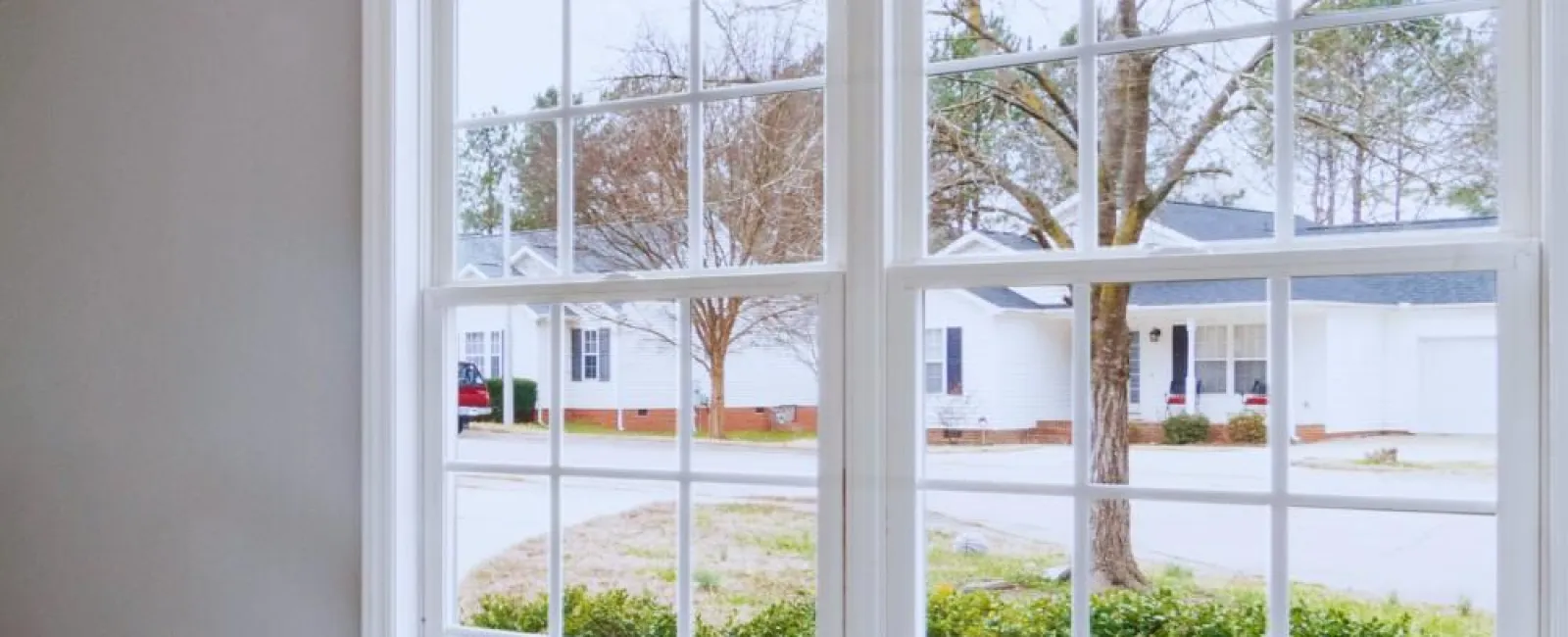
Window glazing is the process of installing or replacing the glass pane in a window frame using glazing compound or putty to create a weathertight seal that prevents air and water infiltration. This essential maintenance task extends window lifespan by 10-15 years, improves energy efficiency by up to 25%, and protects your home from moisture damage that can lead to rot and mold growth. Professional window glazing requires proper material selection, meticulous surface preparation, and correct application techniques to achieve a seal that withstands decades of weather exposure.
Understanding Window Glazing and When Reglazing Becomes Necessary
Window glazing serves as both an adhesive and a sealant, creating a critical barrier between your interior space and external weather conditions. The glazing compound bonds the glass to the wooden or metal sash while expanding and contracting with temperature fluctuations without cracking or pulling away from surfaces. When this seal fails, your home loses conditioned air, moisture penetrates the window assembly, and energy costs increase dramatically.
Most homeowners first notice glazing problems when they observe cracked or missing putty around window panes, feel drafts near windows during cold months, or see moisture accumulation between the glass and frame. A single poorly glazed window can increase heating costs by 15-20% during winter months as conditioned air escapes through the compromised seal. You might also notice the glass pane feels loose when touched, the putty appears crumbly or pulls away easily, or water stains appear on interior sills after rain.
The decision between reglazing existing windows and full window replacement depends on several factors. Windows with sound frames, functional hardware, and intact glass make excellent candidates for reglazing. Historic windows particularly benefit from restoration rather than replacement, as original wavy glass and period-appropriate frames contribute to home character and value. However, extensive frame rot, broken glass, or severely warped sashes may indicate that replacement delivers better long-term value than attempted restoration.
Essential Materials and Climate-Specific Glazing Compound Selection
Successful window glazing depends entirely on selecting appropriate materials for your specific climate and window type. Traditional oil-based glazing compound remains the preferred choice for historic wood windows because it maintains flexibility for decades while allowing minor wood movement without seal failure. This material requires conditioning before use—working the putty until it reaches a pliable consistency similar to modeling clay ensures smooth application and proper adhesion.
Northern climates require compounds formulated to remain flexible in extreme cold, preventing winter cracking that allows moisture infiltration. These cold-weather formulations contain additives that maintain elasticity when temperatures drop below freezing, a crucial characteristic for windows facing harsh winter conditions. Southern installations benefit from heat-resistant formulations that won't soften excessively during summer months when temperatures can reach extreme levels on sun-facing window exposures. Standard glazing compounds may begin softening around 90°F, causing the bead to sag and creating gaps in the moisture barrier.
Latex-based glazing compounds offer faster curing times and easier cleanup than traditional oil-based products, making them attractive for DIY projects. However, these modern alternatives generally don't achieve the same longevity as properly applied oil-based compounds on wood windows. Latex glazing works best for metal window frames or situations requiring quick turnaround times, such as rental property maintenance where painting must occur within days rather than weeks.
Beyond the glazing compound itself, you need glazier's points—small metal triangles that mechanically secure the glass pane before applying putty. These points transfer wind load from the glass to the wooden sash, preventing the pane from shifting or falling out if the glazing compound fails. Professional installers space glazier's points 4-6 inches apart along all edges, driving them into the wood until they sit flush against the glass surface without creating pressure that might crack the pane.
Critical Surface Preparation That Most Homeowners Skip
Surface preparation determines whether your glazing job lasts two years or twenty years, yet this phase receives inadequate attention in most DIY projects. Linseed oil applied to bare wood prevents the wood from absorbing oils from the glazing compound, which would cause premature drying and cracking. A proper linseed oil application requires 24 hours of drying time before glazing begins, but this preparation step extends glazing life by years. Homeowners who skip this preparation often find their new glazing cracking within months as the wood draws out essential oils.
The wood surface must be completely clean, dry, and free from loose paint, rot, or previous glazing residue. A heat gun set to medium temperature softens aged putty without damaging surrounding wood or glass—a critical distinction from using excessive force that can crack panes or gouge wooden frames. Professional glaziers maintain continuous heat gun movement to prevent scorching while working the putty knife at a low angle to lift compound away from wood surfaces. After removing all old glazing, inspect the wooden sash for rot or damage requiring repair before proceeding.
Soft or spongy wood indicates moisture damage that will compromise new glazing if left unaddressed. Small areas of rot can be treated with wood hardener and filled with epoxy wood filler, but extensive deterioration necessitates replacing affected frame sections. This assessment phase often reveals underlying problems that explain why the previous glazing failed prematurely. Water infiltration through failed glazing can cause hidden damage that isn't visible until you remove the old compound and examine the wood substrate carefully.
Professional Window Glazing Application Technique
Clean the rabbet—the L-shaped recess where glass sits in the frame—removing all dust, debris, and residual oils. Sand the rabbet lightly with fine-grit sandpaper to create a slightly rough surface that improves mechanical bonding, then wipe with a slightly damp cloth followed by a dry cloth to remove all sanding dust. This seemingly minor step significantly improves glazing compound adhesion and prevents early seal failure.
Position the glass pane carefully in the frame, ensuring equal spacing on all sides and pressing gently against the back of the rabbet. Insert glazier's points every 4-6 inches along each edge, sliding them partially under the glass edge and driving them into the wood frame using a glazier's point driver or the edge of a putty knife. Corner points deserve extra attention—these bear the most stress during wind events and require secure placement to prevent glass movement.
Roll glazing compound into a rope approximately half an inch in diameter, then press it firmly into the angle between the glass and wooden frame. Work around the entire perimeter, ensuring the compound makes complete contact with both glass and wood surfaces without gaps or air pockets. Air pockets will eventually lead to seal failure and moisture infiltration as water finds these weak points during rain events.
Use a glazing knife held at approximately 45 degrees to smooth and shape the glazing compound, creating a neat bevel from the wood edge to just below the glass edge. This bevel angle allows water to drain away from the glass while creating a professional appearance. Draw the knife steadily along each edge in one continuous motion when possible—multiple passes can create ripples or uneven surfaces that trap water and accelerate compound deterioration.
Curing Requirements and Paint Protection Timeline
Glazing compound requires proper curing before painting—a step many homeowners rush with disappointing results. Oil-based compounds need 7-14 days to form a skin before accepting paint, with full curing taking several weeks depending on temperature and humidity conditions. Attempting to paint too early seals moisture into the compound, preventing proper curing and leading to premature failure. You can test readiness by gently pressing a fingernail into the compound—if it leaves an indentation, the material needs more curing time.
Weather conditions during the curing period significantly impact glazing longevity. Ideal curing occurs at temperatures between 50-75°F with moderate humidity levels. Hot, direct sunlight can cause surface cracking before the compound cures completely, while freezing temperatures prevent proper curing altogether. Professional glaziers often schedule exterior glazing work during spring or fall when weather conditions remain stable and moderate throughout the multi-week curing period.
Once the glazing compound forms a skin, paint should extend slightly onto the glass—about 1/16 inch—to create a complete moisture seal. This paint-to-glass seal prevents water from wicking between the compound and glass pane, a common failure point in improperly finished glazing work. Use high-quality exterior paint formulated for wood trim, applying at least two coats for adequate protection against UV degradation and moisture penetration.
Common Glazing Mistakes That Cause Premature Failure
Many DIY glazing projects fail because homeowners apply compound that's too stiff or too soft. Compound that's too stiff won't form a proper bond with surfaces and may contain air pockets that compromise the seal. Overly soft compound slides off surfaces during application or sags after installation, creating gaps in the weather barrier. The correct consistency feels like soft modeling clay—pliable enough to work easily but firm enough to hold its shape once positioned.
Inadequate glazier's point installation represents another common mistake that compromises window integrity. Points spaced too far apart or omitted entirely leave the glass relying solely on glazing compound for support. The compound alone cannot support the glass pane's weight or resist wind pressure during storms. Without adequate glazier's points, glass panes can shift or even fall out during severe weather events, creating dangerous situations and expensive emergency repairs.
Painting too soon remains perhaps the most common mistake in window glazing projects. The temptation to complete the project quickly leads many homeowners to paint before the compound has adequately cured. This traps solvents and moisture in the glazing compound, preventing the material from achieving full hardness and flexibility. The result appears fine initially but fails within one or two years as the incompletely cured compound cracks and separates from surfaces.