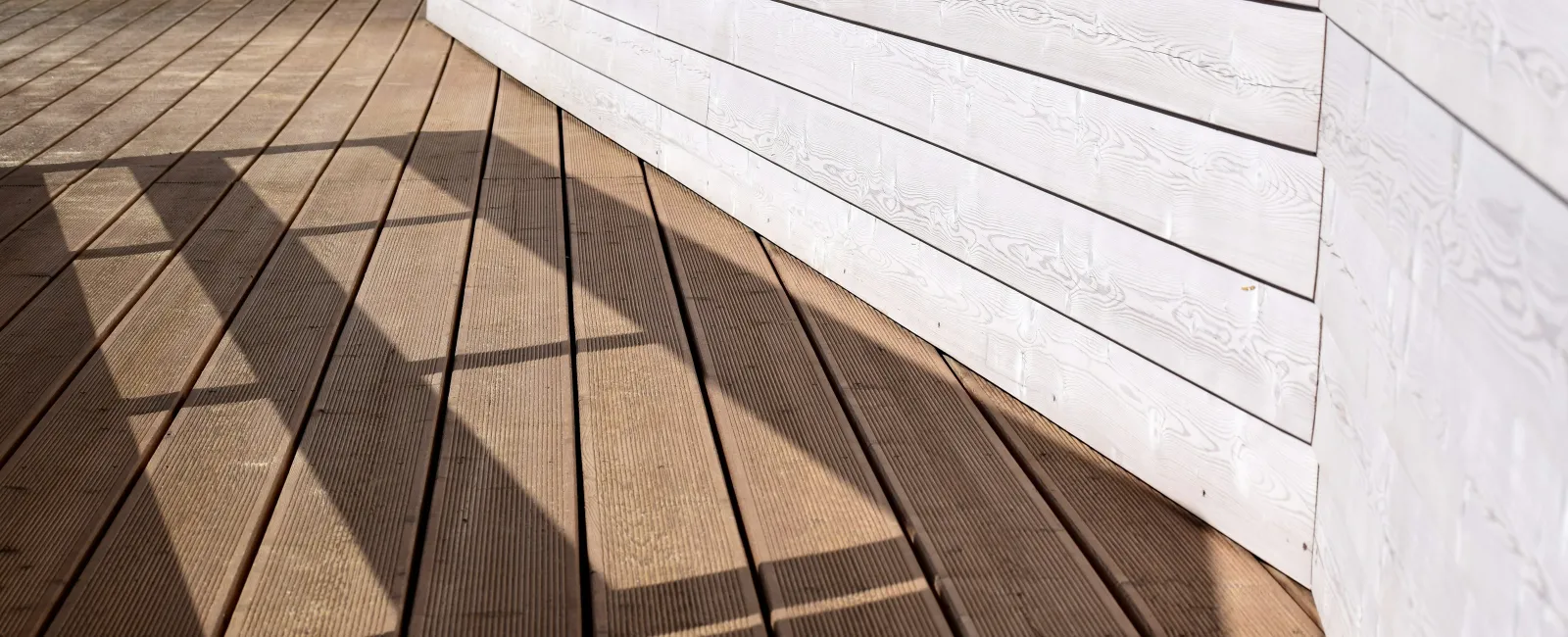
Choosing the right decking material affects not only your deck's appearance but also its longevity, maintenance requirements, and overall cost of ownership. Georgia's climate presents unique challenges for outdoor structures, with intense summer heat, high humidity, significant rainfall, and occasional freezing temperatures. Understanding how different materials perform in these conditions helps you select the option that best fits your needs and budget.
Pressure-Treated Lumber: The Traditional Choice
Pressure-treated pine remains the most common and economical decking material. Chemical treatments protect the wood from rot, insect damage, and decay, making it suitable for ground contact and structural applications. For homeowners working with limited budgets, pressure-treated lumber provides a cost-effective solution that can last 15 to 20 years with proper maintenance.
However, pressure-treated wood requires ongoing attention. In Georgia's humid climate, the wood absorbs moisture and remains vulnerable to warping, splitting, and checking as it dries. You'll need to apply water-repellent sealers or stains every two to three years to maintain appearance and protection. The wood's natural movement also means fasteners can loosen over time, requiring periodic tightening or replacement.
The initial cost savings of pressure-treated lumber diminish when you factor in years of maintenance expenses and labor. Still, for those who don't mind regular upkeep or who appreciate the natural look of wood, pressure-treated decking serves as a reliable foundation for outdoor living spaces.
Composite Decking: Low-Maintenance Performance
Composite decking combines wood fibers with plastic polymers to create boards that resist rot, insects, and moisture damage. These materials have gained significant popularity among Georgia homeowners who want to minimize maintenance while enjoying their outdoor spaces.
Modern composite products address early generation problems like fading, staining, and heat retention. Premium composite brands now offer fade-resistant finishes, stain protection, and lighter colors that stay cooler underfoot during summer. Many manufacturers provide 25 to 30-year warranties covering material defects and performance.
Composite decking requires minimal maintenance beyond periodic cleaning with soap and water. You won't need to sand, stain, or seal the surface, saving both time and money over the deck's lifetime. The material doesn't splinter, making it safer for bare feet, and it maintains consistent color and appearance for years.
The primary drawback is higher initial cost. Composite decking typically costs 50% to 100% more than pressure-treated lumber for materials alone. However, when you calculate the total cost of ownership including maintenance over 20 years, composite often proves more economical. For homeowners planning to stay in their homes long-term or those who value low-maintenance living, composite decking delivers excellent value.
PVC and Capped Composite: Premium Protection
PVC decking contains no wood fibers, consisting entirely of plastic materials. This composition provides maximum resistance to moisture, mold, and staining. Capped composite products feature a wood-plastic core with a protective polymer shell that shields the material from the elements.
These premium materials excel in Georgia's climate where humidity and rainfall challenge wood-based products. They resist fading better than uncapped composites and handle temperature extremes without significant expansion or contraction. The non-porous surface repels water completely, preventing the moisture absorption that degrades other materials.
PVC and capped composite decking command premium prices, often costing double what pressure-treated lumber costs. However, they represent the lowest-maintenance option available, requiring only occasional cleaning and virtually no other upkeep. For homeowners who prioritize durability and minimal maintenance above initial cost, these materials provide the best long-term performance.
Cedar and Redwood: Natural Beauty with Requirements
Cedar and redwood offer natural beauty and weather resistance superior to pressure-treated pine. These woods contain natural oils and tannins that resist rot and insect damage, and their attractive grain patterns and rich colors appeal to homeowners seeking premium natural materials.
In Georgia's climate, cedar and redwood perform reasonably well but still require regular maintenance. The wood will weather to a silver-gray patina unless you apply UV-protective sealers annually or semi-annually. Even with treatment, expect the wood to fade and require refinishing every few years to maintain its original appearance.
The cost of cedar and redwood falls between pressure-treated lumber and composite materials. While less expensive than premium composites, these woods cost significantly more than treated pine. Combined with ongoing maintenance requirements similar to pressure-treated wood, they appeal primarily to homeowners who specifically desire natural wood's aesthetic qualities.
Tropical Hardwoods: Maximum Durability
Ipe, cumaru, and other tropical hardwoods provide exceptional durability and natural beauty. These dense woods resist rot, insects, and decay better than any other natural material, potentially lasting 40 to 50 years even in challenging climates like Georgia's.
Tropical hardwoods' density creates both benefits and challenges. The material resists damage extremely well but requires special tools and techniques for cutting and fastening. Installation costs run higher than other materials due to this complexity. The wood's hardness also makes it uncomfortable for bare feet during hot Georgia summers, as it retains heat significantly.
Like other natural woods, tropical hardwoods weather to gray unless regularly sealed. Many homeowners embrace this natural aging, but maintaining the original rich brown color requires annual treatment. Despite maintenance needs, these woods represent the most durable natural decking option available.
Making Your Material Selection
Your choice among these materials should reflect several factors beyond price. Consider how much time and effort you want to invest in maintenance. If you enjoy weekend projects and don't mind regular upkeep, pressure-treated lumber or natural woods provide attractive options. If you prefer spending weekends enjoying your deck rather than maintaining it, composite or PVC materials make more sense.
Think about your timeline in the home. Planning to sell within five to ten years might favor lower initial investment in pressure-treated lumber. Planning to stay for decades makes the higher upfront cost of composite materials worthwhile given the maintenance savings over time.
Consider aesthetic preferences as well. Some homeowners specifically want natural wood's look and feel, accepting maintenance requirements as part of owning a beautiful wood deck. Others prioritize convenience and prefer composite materials' consistent appearance and minimal upkeep.
Professional Installation Matters
Regardless of which material you choose, proper installation determines long-term performance. Quality framing, adequate ventilation beneath decking, proper fastening techniques, and attention to drainage all affect how well your deck performs in Georgia's climate. Experienced contractors understand how different materials behave and install them using techniques that maximize longevity.
At Forsyth Exteriors, we help homeowners select decking materials that match their priorities and build outdoor spaces that deliver decades of enjoyment. Whether you choose economical pressure-treated lumber, low-maintenance composite, or premium natural wood, quality construction ensures your investment performs as expected throughout Georgia's challenging seasons.