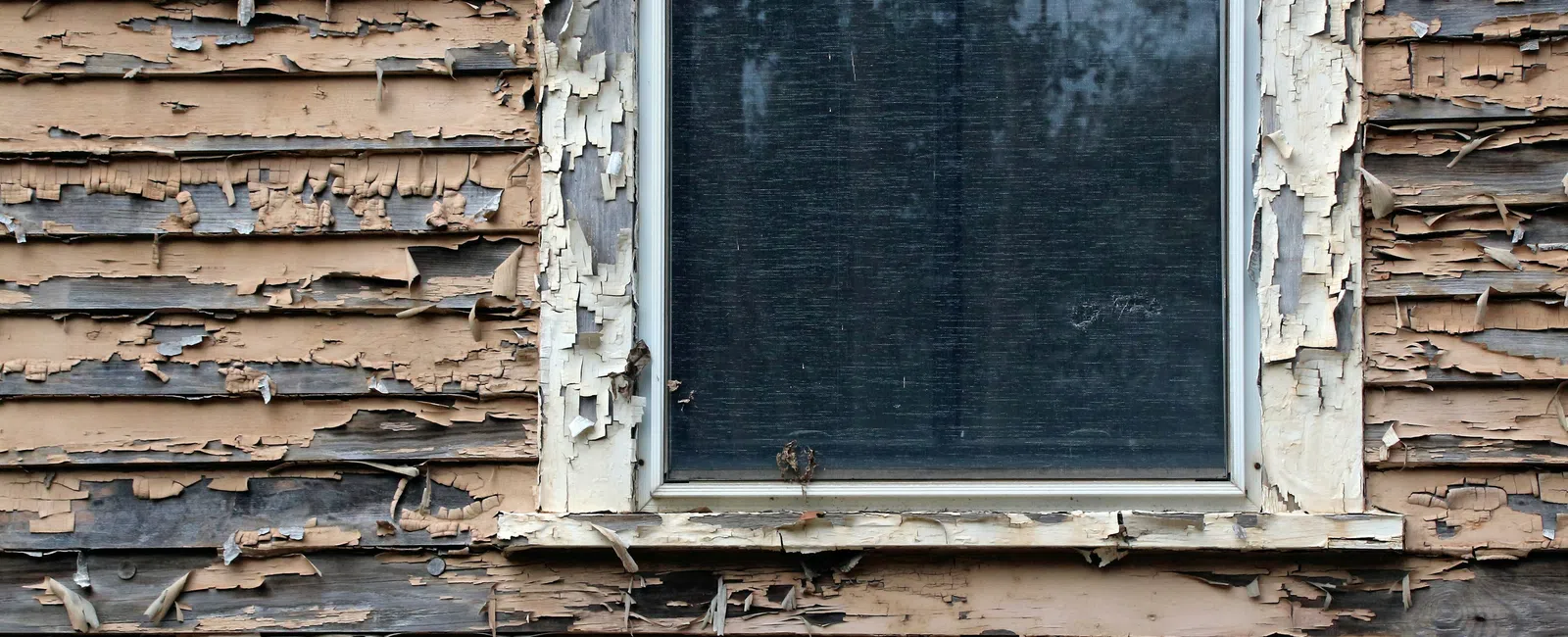
Wood windows have a lot going for them. They look warm, they insulate well, and in an older North Atlanta home, they often match the character of the place. What they do not love is water. Give moisture enough time to sit in the wrong spot, and a solid window turns into a soft, spongy mess before you ever notice a problem from the outside.
Rot usually starts where you cannot see it, tucked behind trim, under the sill, or inside the joints. By the time paint bubbles or the wood feels squishy, the damage has often been working its way in for a while. You can catch it early if you know what to look for, and plenty of small repairs are well within a handy homeowner's reach.
How Wood Rot Starts Around Your Windows
Most wood rot around windows comes down to trapped moisture and a hungry fungus. When wood stays damp for long stretches, fungal spores settle in and start breaking down the fibers. The wood loses its strength, darkens, and eventually crumbles.
Windows are prime real estate for this because water can sneak in so many ways. Failed caulk lets rain slip behind the trim, cracked paint exposes bare wood, clogged weep holes hold water against the frame, and winter condensation collects on the sill. Any of these can feed rot, and in Georgia's humid, storm-heavy climate, the odds go up fast.
Signs Your Window Frame Is Rotting From the Inside Out
You do not need special tools to catch most of these. Walk your home and look closely at each window, inside and out. Watch for:
- Paint that is cracking, flaking, or bubbling, especially along the bottom of the frame
- A windowsill or frame that looks darker, streaked, or stained compared to the surrounding wood
- A musty, damp smell near the window, which often points to fungus at work
- Visible gaps where trim pieces have pulled away from each other
- Soft wood around the window that gives when you press it, instead of feeling firm
- A window that suddenly sticks, will not lock, or feels loose in its opening
- Small piles of what looks like sawdust, a sign of insects moving into weakened wood
One or two of these can mean early trouble. Several together usually mean rot has been spreading for a while.
How to Test for Wood Rot
Signs are one thing, but a quick hands-on check tells you how far it has gone. Grab a flathead screwdriver and gently press the tip into any suspicious wood, particularly the sill and the lower corners of the frame.
Healthy wood resists and feels hard. Rotted wood sinks in easily, feels soft or stringy, and may flake apart. If the screwdriver pushes in a quarter inch without much effort, you have active rot. Poke around the edges of the soft spot too, since the visible damage is often smaller than what is hidden underneath. Knowing the full size of the problem is the first step in any window frame repair.
How to Fix Wood Rot When the Damage Is Small
If the rot is limited to a small area and the frame is still structurally sound, you can often handle the repair yourself. Wood rot window repair on a minor spot usually follows the same path.
Start by digging out all the soft, punky wood with a chisel or screwdriver until you reach solid material. Rot left behind will keep spreading, so do not rush this part. Let the area dry out fully, using a fan or a warm day to speed things along.
Next, brush on a liquid wood hardener, which soaks into the remaining fibers and firms them up. Once it cures, fill the void with a two-part epoxy wood filler. Epoxy is the go-to product because it bonds tightly, resists water, and can be sanded and shaped like real wood. Press it into the gap, overfill slightly, and let it harden.
Finish by sanding the patch smooth, priming it, and painting to match. A coat of quality exterior paint seals everything back up and keeps water out. The same care that goes into siding and exterior painting applies here, since the goal is a fully sealed surface with no bare wood exposed.
When to Replace a Rotten Window Sill or Frame
Fillers work well for surface damage, but they are not a fix for deep or widespread rot. If more than a third of a board is gone, or the rot has reached the structural parts of the frame, patching is only a temporary bandage.
In that case, the better move is to replace the rotten window sill or the affected section of the frame outright. A carpenter cuts out the bad wood, splices in a matching piece, and seals the joints. When rot has spread through the whole frame, or several windows are affected, full replacement often makes more sense than piecemeal fixes. Newer units also seal tighter and shrug off moisture far better than tired old windows.
Should You DIY or Call a Pro
A single soft corner on a ground-floor window is a reasonable weekend project. Reach for professional help when the rot is extensive, when the window is on a second story, when the frame no longer holds the window square, or when you find rot at more than one window, which can hint at a larger moisture issue in the wall.
The same instinct that tells you when siding needs repair applies to windows. If the damage keeps coming back after you patch it, water is getting in somewhere upstream, and that is worth having a pro trace before it reaches the framing behind your walls.
Keep Rot From Coming Back
Once the repair is done, a little upkeep goes a long way. Reseal the caulk around your windows every few years, touch up paint before it fails, keep gutters clear so water doesn't spill down the wall, and clear the weep holes in the frame. Catching moisture early is what keeps a small fix from turning into a full window and door installation project later on.
Protect Your Windows With Forsyth Exteriors
If you have found soft, dark, or crumbling wood around your windows and are not sure how far it goes, we can help.
Forsyth Exteriors has served Cumming, Forsyth County, and the greater North Atlanta area since 1993, with our own trained crews on every job and free estimates on repairs and replacements. Call us today or contact us online to schedule a look before a small rot problem becomes a big one.