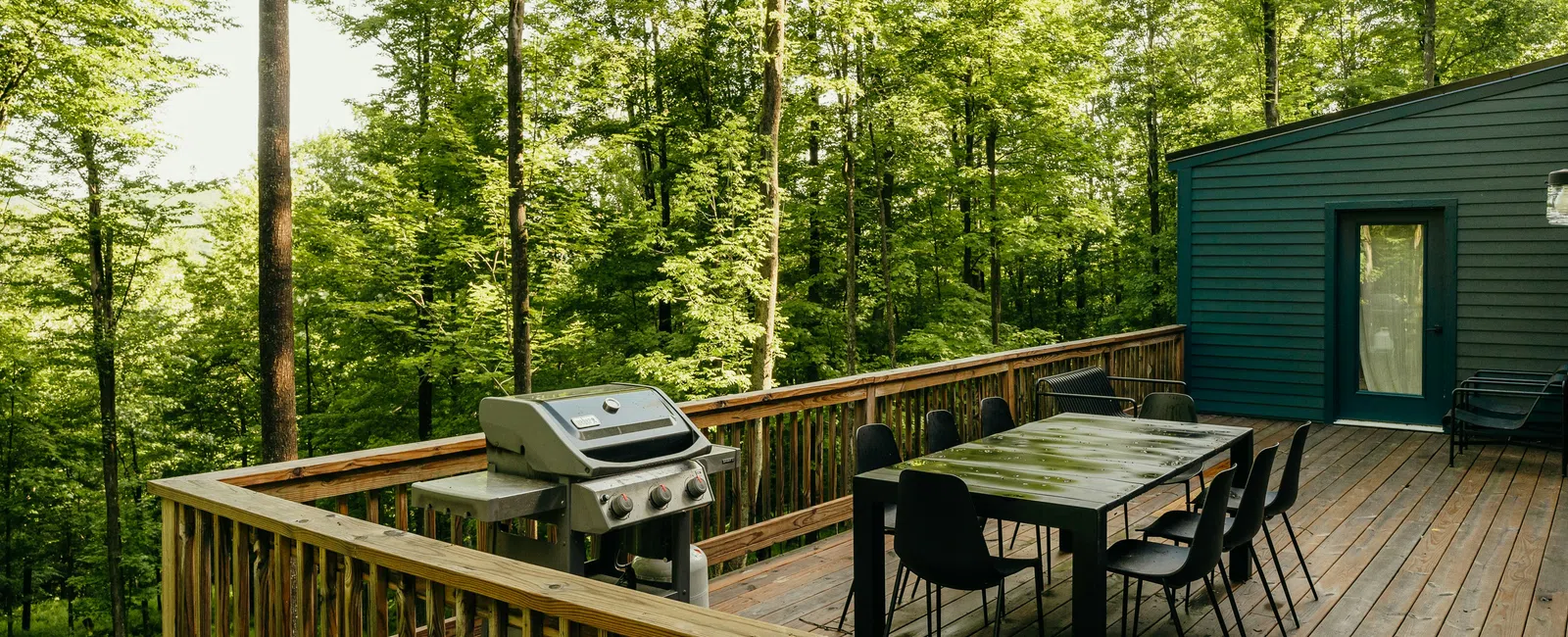
North Georgia gets roughly 50 inches of rain a year, more than most of the country, and that moisture does not just fall and disappear. It soaks into deck boards, settles into joints and fasteners, and speeds up the wear that eventually shows up as cupping, splitting, or a slick, mildew coated surface. Forsyth Exteriors installs and repairs decks and porches across Forsyth County, and the maintenance that keeps one holding up depends on whether it's built from wood or composite.
Why North Georgia's Climate Is Hard on Decking
The wet season here runs from spring through early fall, with afternoon thunderstorms that soak a deck and then bake it under direct sun within the same day. That cycle of swelling and drying is what causes wood fibers to loosen and grain to raise. Winter brings the opposite problem: temperatures that dip below freezing at night and climb back into the 40s or 50s by afternoon push moisture trapped in the wood through repeated freeze and thaw cycles, which widens cracks that started as small checks.
Composite decking does not absorb water the way wood does, but the same humidity that keeps wood damp also feeds mold and mildew growth on composite surfaces, particularly in shaded areas near the house or under furniture that blocks airflow. Decks positioned under mature trees see this most often, since the extra shade slows drying time after every rain. Pollen season adds another layer, coating boards in a fine yellow film every spring that traps dirt and moisture against the surface if it is left alone. By midsummer, that same film mixed with humidity is often what turns a deck surface slick underfoot, which is as much a safety issue as a cosmetic one.
Elevation and sun exposure change how fast these effects show up. A deck facing south or west with little tree cover dries faster after rain but takes more direct UV damage, which breaks down wood fibers and fades composite color over time. A shaded, north facing deck holds moisture longer and is more prone to mold, even if the boards themselves stay in better structural shape. Knowing which pattern applies to a given deck helps determine how often it actually needs attention, rather than following a generic schedule built for a different climate.
Maintaining a Wood Deck
Wood decking needs the most hands on care of any decking material, and skipping steps tends to show up fast in a climate this wet. The following sequence covers what a wood deck needs over the course of a year.
- Sweep leaves, pollen, and debris off the boards weekly during spring and fall, since trapped organic matter holds moisture against the wood and accelerates rot.
- Wash the deck with a cleaner made for the wood species, using a pump sprayer or soft bristle brush rather than a pressure washer set above 500 to 600 PSI, which can gouge softwoods like pine or cedar.
- Check for popped nails, loose screws, and boards that have started to cup or split, and replace or resecure them before the damage spreads to neighboring boards.
- Reapply a water repellent sealant or stain every one to two years, depending on sun exposure, since a worn finish lets moisture back into the wood grain.
Maintaining a Composite Deck
Composite boards trade the sanding, staining, and nail popping issues of wood for a different set of maintenance needs. The material itself resists rot, but the surface still needs regular attention:
- Rinse the deck with a garden hose or low pressure setting every few weeks to keep pollen and dirt from building into a film that stains the boards over time.
- Scrub any dark or green patches with warm water and a mild soap formulated for composite decking as soon as they appear, since mold spreads faster the longer it sits in a humid climate.
- Check the gaps between boards for leaf litter and debris, which can trap moisture against the framing underneath even though the boards themselves do not absorb water.
- Inspect fasteners and hidden clips once or twice a year, since the aluminum or steel substructure under composite decking can still corrode if it stays wet.
A Season by Season Maintenance Schedule
| Season | Wood Deck | Composite Deck |
|---|---|---|
| Spring | Wash off pollen buildup, inspect for winter damage | Rinse pollen film, check board gaps for debris |
| Summer | Sweep debris after storms, spot check for cupping | Clean shaded areas prone to mildew |
| Fall | Clear leaves weekly, plan for sealant if due | Rinse before leaves accumulate in gaps |
| Winter | Check for frost heave around footings, clear ice buildup | Confirm drainage areas stay clear during freezes |
Staying on this kind of schedule catches small problems, like a single loose board or an early mildew spot, before North Georgia's weather turns them into a larger repair.
Not every issue can be solved with cleaning and sealant, though. Boards that stay soft after drying, joists that flex underfoot, or ledger boards pulling away from the house point to moisture damage that has already reached the structure underneath the surface. Composite decking rarely rots, but the aluminum or wood substructure beneath it can still fail if drainage has been blocked for an extended period. In both cases, the deck has moved past routine upkeep and into repair territory, and continuing to treat it like a maintenance issue can let the underlying damage spread.
A deck that has moved past routine care, with soft or rotted boards, failing fasteners, or a substructure that has shifted, usually needs more than cleaning and sealant. Forsyth Exteriors builds and repairs decks and porches for homes across Forsyth County and the north metro Atlanta area, and can assess whether a deck needs targeted repair or a full rebuild.